
The Challenge: The Mirror Effect
A Smart Fridge manufacturer required a large, thin (0.15mm) logo with a perfect chrome mirror finish. Stamping trials resulted in wavy surfaces and “Orange Peel” texture.
The Solution: Switching to Etching
Etching vs. Stamping: We utilized Through-Etching. Since no die impact was involved, the mirror surface remained pristine.
Clean Room Assembly: To prevent dust inclusions, final inspection was moved to our Class 10,000 Clean Room.
The Result:
• Optical Quality: Ra < 0.03 microns surface roughness.
• Zero Bleeding: Hand-applied undersized adhesive ensured clean edges.
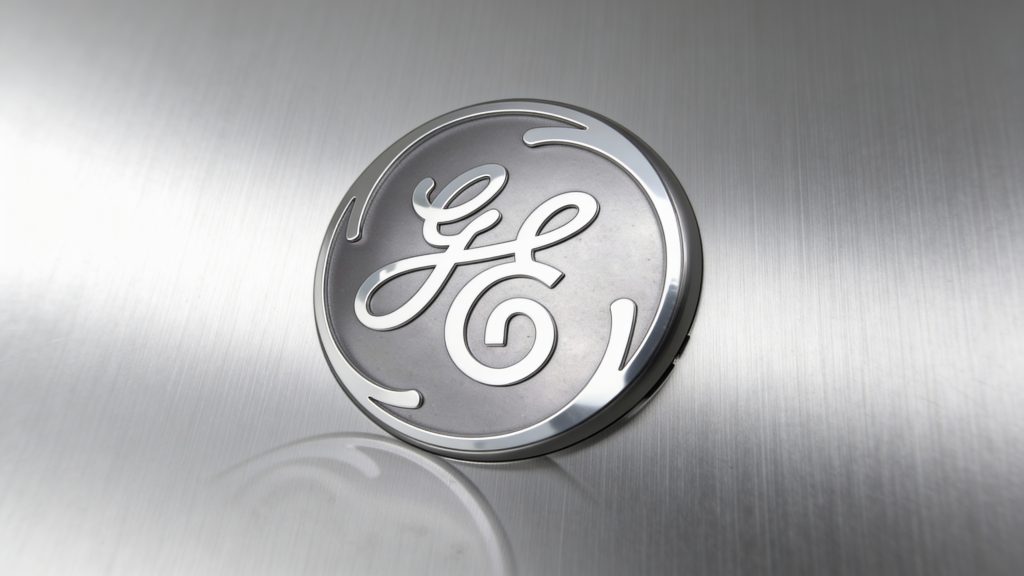
#3D Metal Nameplates & label customization | Refrigerator Door Nameplate
#WhatsApp: +8615867863626
Examples of different scenes
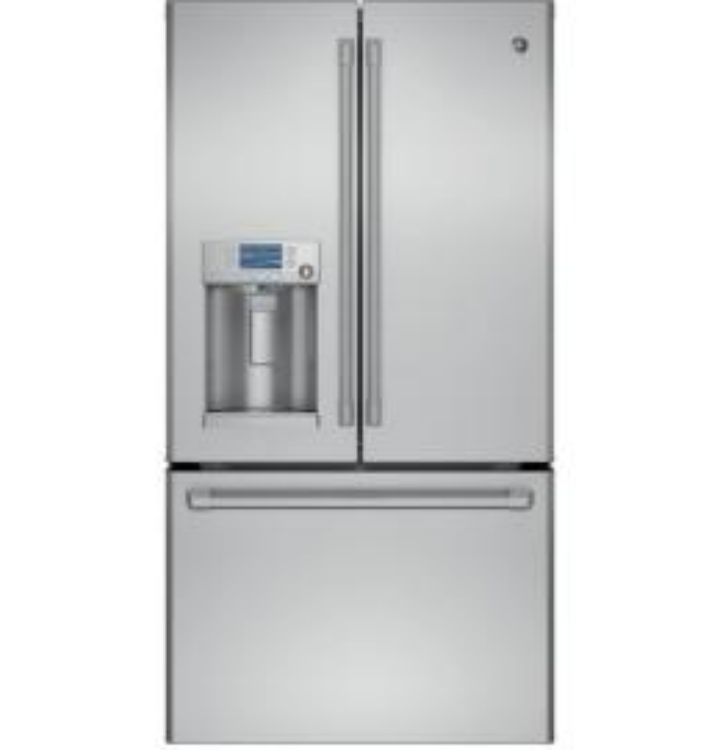
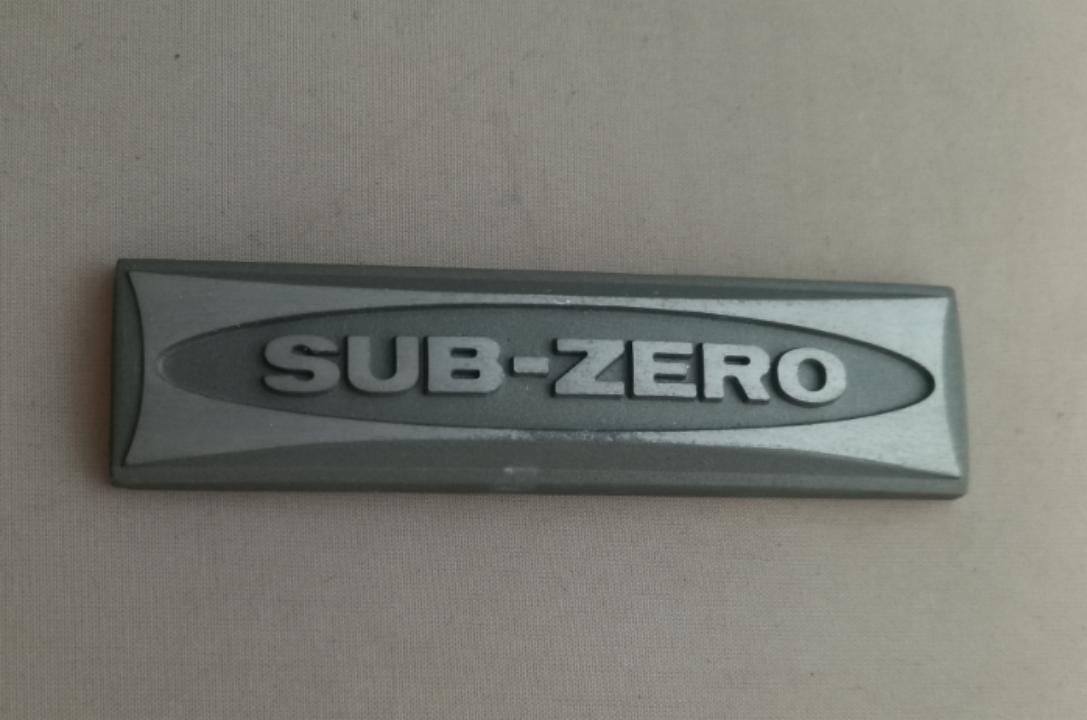
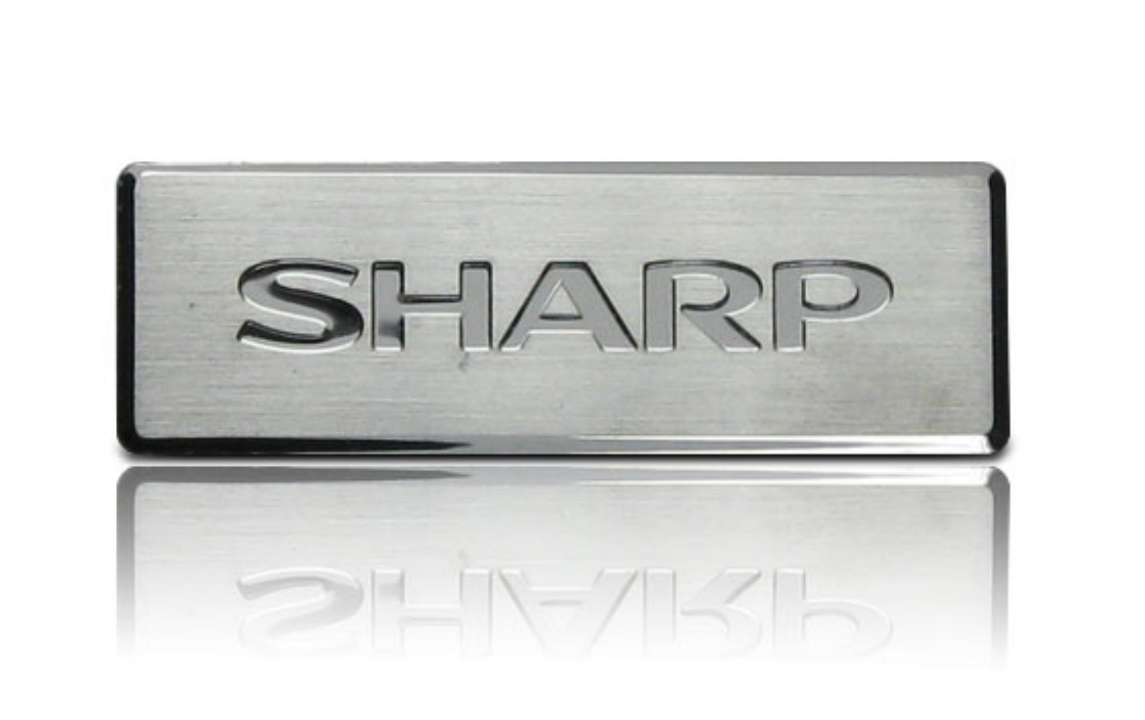
Products details
Technical Specifications
| Parameter | Specification & Details |
| Product Type | Refrigerator Door Nameplate |
| Material | Stamped Aluminum 5052 |
| Surface | 8K Mirror Polish (Ra < 0.03 microns) |
| Defect Rate | < 0.1% (Class 10,000 Clean Room) |
| Chemical | Resistant to Ammonia/Alcohol Cleaners |
certification
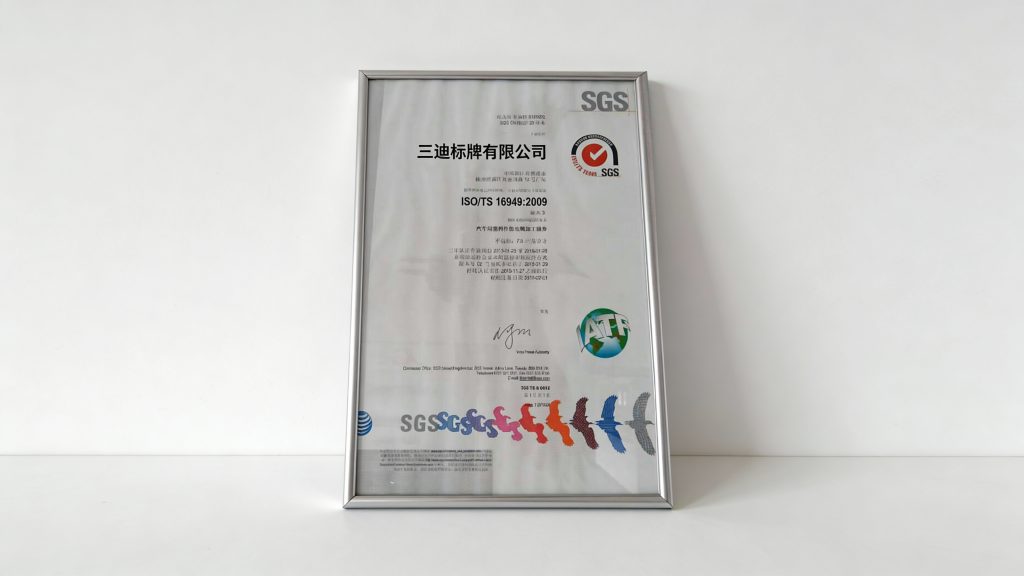
[Test Report] Snapshot of the quality specification
FAQ: Sourcing Strategy (Low MOQ)
Engineering Q&A: Surface Perfection
Q: How do you solve “Orange Peel” on mirror finishes?
A: For thicknesses <0.2mm, we abandon stamping. We use Chemical Etching. This stress-free process maintains perfect flatness, ensuring a reflection as clear as glass.
Leave a Reply